TL;DR
PU injection stops active water leaks through cracks and joints, epoxy injection rebonds dry structural cracks, and cement or microfine grout fills voids and honeycombing. Diagnose the crack first: whether it is wet, moving, structural or caused by rusting rebar decides which method works.
PU injection is usually the first fix people hear about when a basement wall, car park slab or bathroom ceiling starts leaking, but it is not the right answer for every crack. Epoxy and cement grouts solve different problems, and picking the wrong one is why so many repairs fail within a few monsoon seasons. This guide compares all three, shows where each one breaks down, and explains what drives the cost, so you can brief a contractor with confidence. If you are weighing injection against re-waterproofing instead, read our earlier guide on PU grouting vs waterproofing for ceiling leaks.
What is the difference between PU injection, epoxy injection and cement grouting?
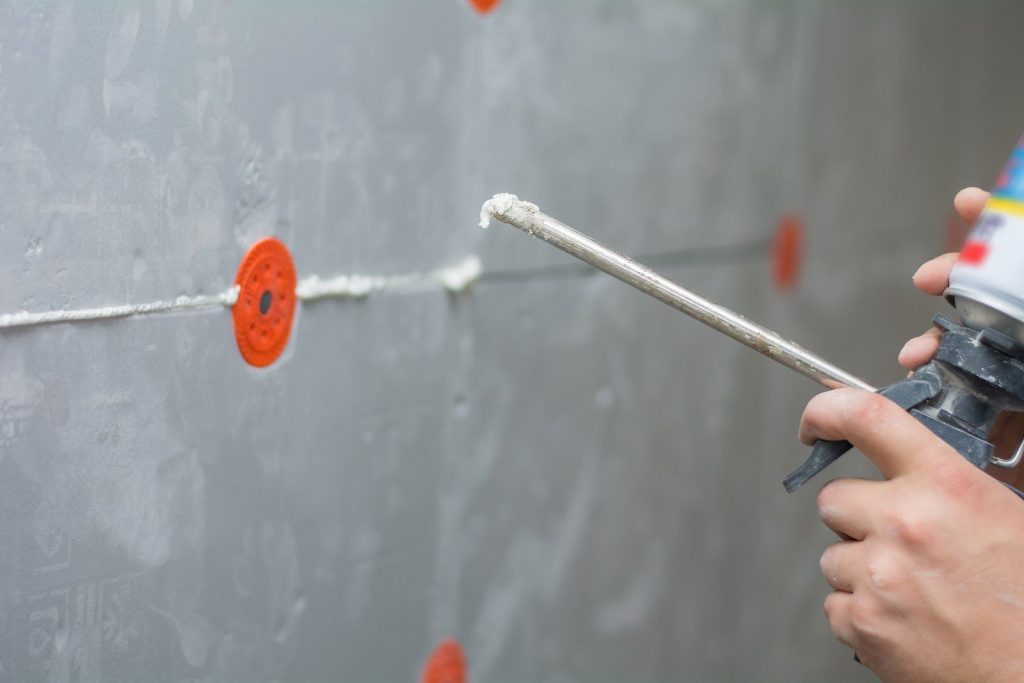
The short answer: PU stops water, epoxy restores strength, and cement fills space. Each one is injected under pressure through packers drilled along the crack, but the material behaves very differently once it is inside the concrete.
| Method | What it does best | Typical Singapore use | Main limitation |
|---|---|---|---|
| Hydrophobic PU injection | Repels water and foams into a stable seal | Basement walls, lift pits, water tanks, active seepage | Seals, but adds no structural strength |
| Hydrophilic PU injection | Reacts with and absorbs water to form a flexible seal | Damp, moving cracks and construction joints | Best where the crack stays damp |
| Epoxy injection | Bonds crack faces back together | Dry structural cracks in beams, columns and slabs | Not for moving or wet cracks unless moisture tolerant |
| Cement / microfine grout | Fills voids, honeycombing and gaps | Voids under slabs, behind walls, poor compaction | Rigid, so it cracks again if the structure moves |
When should you choose PU grouting over the other methods?
Choose PU grouting when water is actively coming through, whether it is a damp patch on an HDB ceiling slab, a weeping wall in a condo basement car park, or a joint in a commercial lift pit. The resin reacts on contact with water, expands, and plugs the path the water was taking.
The two families of PU injection grouting suit different jobs. Hydrophobic resins push water out of the crack and will not dilute in it, which makes them the safer pick for gushing leaks and areas that stay wet. Hydrophilic resins absorb water to form a flexible gasket; Sika states that its SikaFix HH Hydrophilic grout “expands to 6 times its liquid volume” in free foam (Sika), and that high elongation lets it follow cracks that move. Matching the resin to the crack is where an experienced applicator earns their fee.
When is epoxy injection the better choice?
Epoxy injection is the better choice when the crack is structural, dry and no longer moving, and you need the member to work as one piece again. The American Concrete Institute notes that epoxy can repair cracks as fine as 0.05 mm (0.002 in.) wide and can “restore structural integrity and reduce moisture penetration”. That is why engineers often specify it for cracked transfer beams, columns and slabs flagged during a building inspection.
Epoxy is unforgiving, though. It needs a clean, preferably dry crack, and it will simply crack beside the repair if the joint keeps moving.
Where do cement and microfine grouts fit in?
Cement-based pressure grouting is the tool for space rather than seams. It fills voids under ground slabs, honeycombing from poor compaction, gaps behind retaining walls and hollow areas around pipe penetrations. Microfine cement, with much smaller particles, can reach tighter voids and fine soil around a structure, and it is mineral, so it suits places where resin is not wanted. Its weakness is rigidity: any later movement opens a new crack.
Why do injection repairs fail?
Most failed grouting work comes down to diagnosis, not the product. The common failure modes we see in Singapore buildings are:
- Wrong material: epoxy pumped into a wet, live crack, or rigid cement used on a joint that moves with heat and load.
- Rusting steel left untreated: corrosion keeps expanding the steel and cracking the concrete around any resin. Those cracks need proper spalling concrete repair instead.
- Too few packers or poor spacing: resin bridges the surface but never reaches the full depth, so water finds a way around.
- Treating the symptom: sealing the underside of a slab while a failed membrane above keeps feeding water in.
Quote: “Cracks caused by corroding reinforcing steel should not be repaired by epoxy injection because continuing corrosion will cause new cracks to appear.” (American Concrete Institute, ACI RAP Bulletin 1)
How long does curing take and how is the repair inspected?
PU resins react within minutes of meeting water, so a leak often stops during the visit, while epoxy needs hours to days to reach strength depending on product and temperature, so loading and finishing wait for the manufacturer’s cure time. A good contractor then checks the work: packers are removed and patched, wet areas are observed after the next heavy downpour, and structural epoxy repairs can be verified by the engineer, sometimes with cores. For blocks due for a periodic structural inspection, keep these records so the inspector can see what was treated and why.
What affects the cost of PU injection and other grouting work?
There is no single price per crack for PU injection grouting or epoxy work, because cost depends on what the injection has to do. The main drivers are:
- Total crack length and depth, which set the number of packers and amount of resin.
- Material choice, since structural epoxy and specialist microfine grouts cost more than standard PU.
- Access: ceilings over occupied units, lift pits and confined water tanks take longer to set up.
- Whether the source above needs fixing too, such as a failed bathroom or roof membrane.
- Engineer involvement for structural cracks, plus any MCST or building management approvals.
Ask for an itemised quote that names the resin, the packer spacing and the warranty terms, so you can compare contractors on the same scope.
How Ample Build handles PU injection and pressure grouting
Ample Build is a BCA-registered, bizSAFE Star building contractor, and our in-house team carries out pressure grouting for homes, condominiums, MCSTs and commercial buildings across Singapore. We trace the leak or crack first, choose between PU injection, epoxy and cement grout based on what we find, and fix any source above as part of our wider water leakage solutions. That keeps the repair dependable and the cost under control, because you only pay for the method the crack actually needs. Get in touch with our pressure grouting team for a site inspection and an itemised quote.
Frequently Asked Questions
Is PU injection permanent?
It is long lasting when the right resin is used and the water source is controlled. If the membrane above keeps failing, new leaks can appear beside the old repair.
Can PU grouting fix a structural crack?
No. PU grouting seals water out but adds no strength. Structural cracks need engineer review and usually epoxy injection.
Can epoxy injection be used on a leaking crack?
Generally not. Standard epoxy needs a dry crack; stop the water first, or use a moisture-tolerant epoxy if the engineer approves.
Does pressure grouting need hacking?
Usually not. Grouting work is done through small drilled holes and packers, which are removed and patched afterwards.
How do I know which method my building needs?
Check whether the crack is wet, moving, structural or rust-stained. A site inspection answers those questions before any resin is chosen.