$0.00


Periodic Structural / Facade Inspection and Rectification (PSI/PFI)
Ensuring Compliance. Enhancing Building Safety.
At Ample Building Services, our dedicated team offers comprehensive Periodic Façade Inspection (PFI) and Periodic Structural Inspection (PSI) services—fully aligned with Singapore’s Building Control (Periodic Inspection of Buildings and Building Façades) Regulations 2021.
Periodic Structural Inspection (PSI)
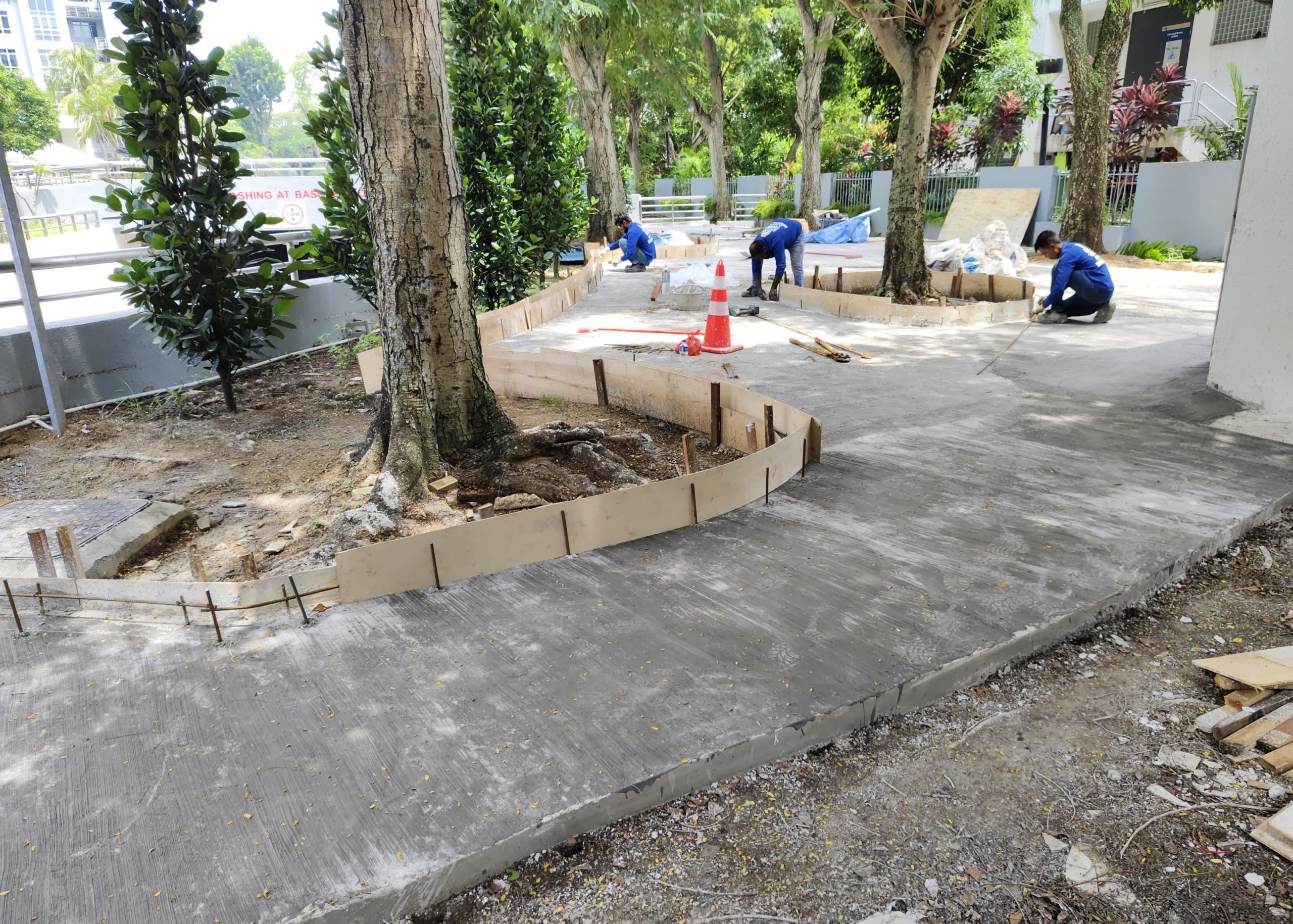
Conducted every 5 years for non-residential buildings (and every 10 years for predominantly residential buildings), PSI is essential for verifying the structural stability and integrity of key load-bearing elements—be it columns, beams, slabs, or foundations.
-
Spalling Concrete in Structural Elements
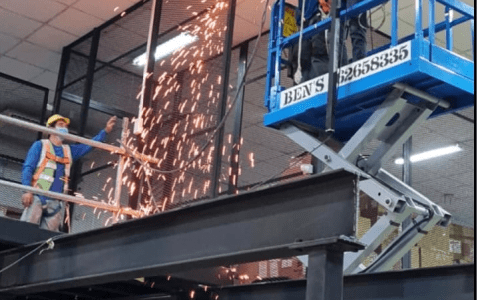
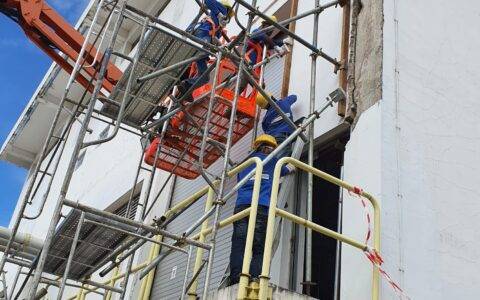
-Hacking out loose concrete, removing corroded rebar rust, re-barring if required, patching with structural repair mortar -
Structural Cracks in Beams, Slabs, Columns
-Epoxy injection for fine cracks
-Section strengthening with steel plates or fibre-reinforced polymer (FRP) wraps
-Partial member replacement if severely compromised -
Corroded Steel Structures
-Mechanical removal of rust, application of zinc-rich primer and protective paint
-Replacement of severely corroded members -
Foundation or Substructure Deterioration
-Soil stabilisation or underpinning for settlement issues
-Concrete jacketing for piles or columns -
Overloaded or Damaged Members
-Reinforcement or stiffening of overstressed beams/trusses
-Redistribution of loads via temporary propping until repairs complete
Periodic Façade Inspection (PFI)
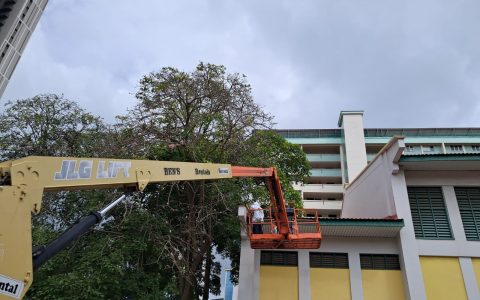
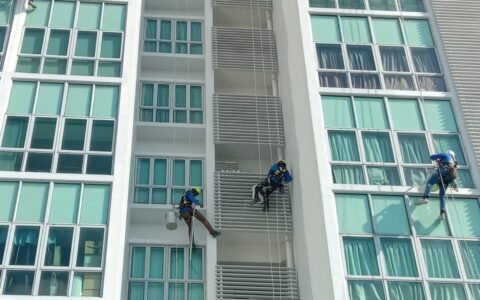
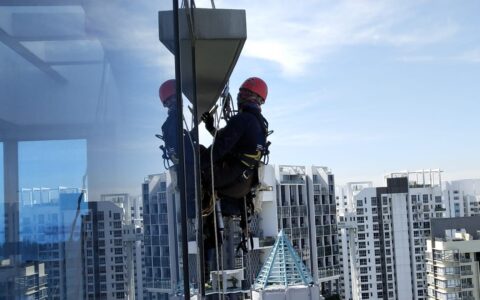
Triggered when buildings exceed 20 years in age and 13 metres in height, the PFI cycle occurs every 7 years. Designed to safeguard public safety, this involves proactive detection and rectification of façade distress such as loose tiles, cracked plaster and corroded features.
- Loose or Detached Façade Elements
-Re-fixing or replacing loose wall tiles, cladding panels, or stone veneers
-Injection grouting to re-bond hollow tiles or plaster - Cracked or Spalling Plaster / Concrete
-Chipping off loose material, repairing with polymer-modified mortar
-Repainting after surface preparation to seal and protect - Corroded Metal Fixtures & Anchors
-Treating corrosion, replacing rusted brackets, anchors, or railing fixings
-Applying anti-corrosion coatings - Sealant & Joint Failures
-Cutting out deteriorated sealants
-Re-applying weatherproof silicone or PU sealants - Water Ingress Points
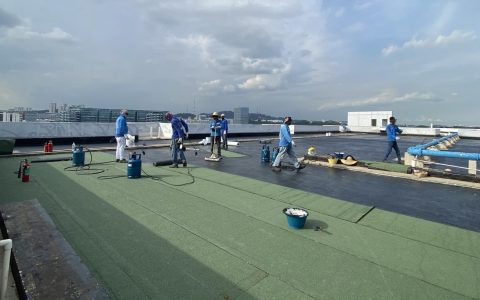
-Re-waterproofing façade junctions, window perimeters, and coping edges
-Installing or repairing flashing and drip edges - Falling Hazard Items
-Securing loose signage, sunshades, louvres, or air-con ledges
-Removing unsafe elements that cannot be repaired
Simplifying the process.
- Step 1: Find a problem? Reach out to us for a site viewing!
- Step 2: We’ll drop by for a site visit and furnish a quote.
- Step 3: Once the works are approved, we’ll carry out the works as scheduled.
- Step 4: We’re done! An invoice will be sent to you for payment.
Date
August 13, 2025
Category
Ample Services, Service Page